How to Learn SAP EWM with Best Practices – My 4-step Method
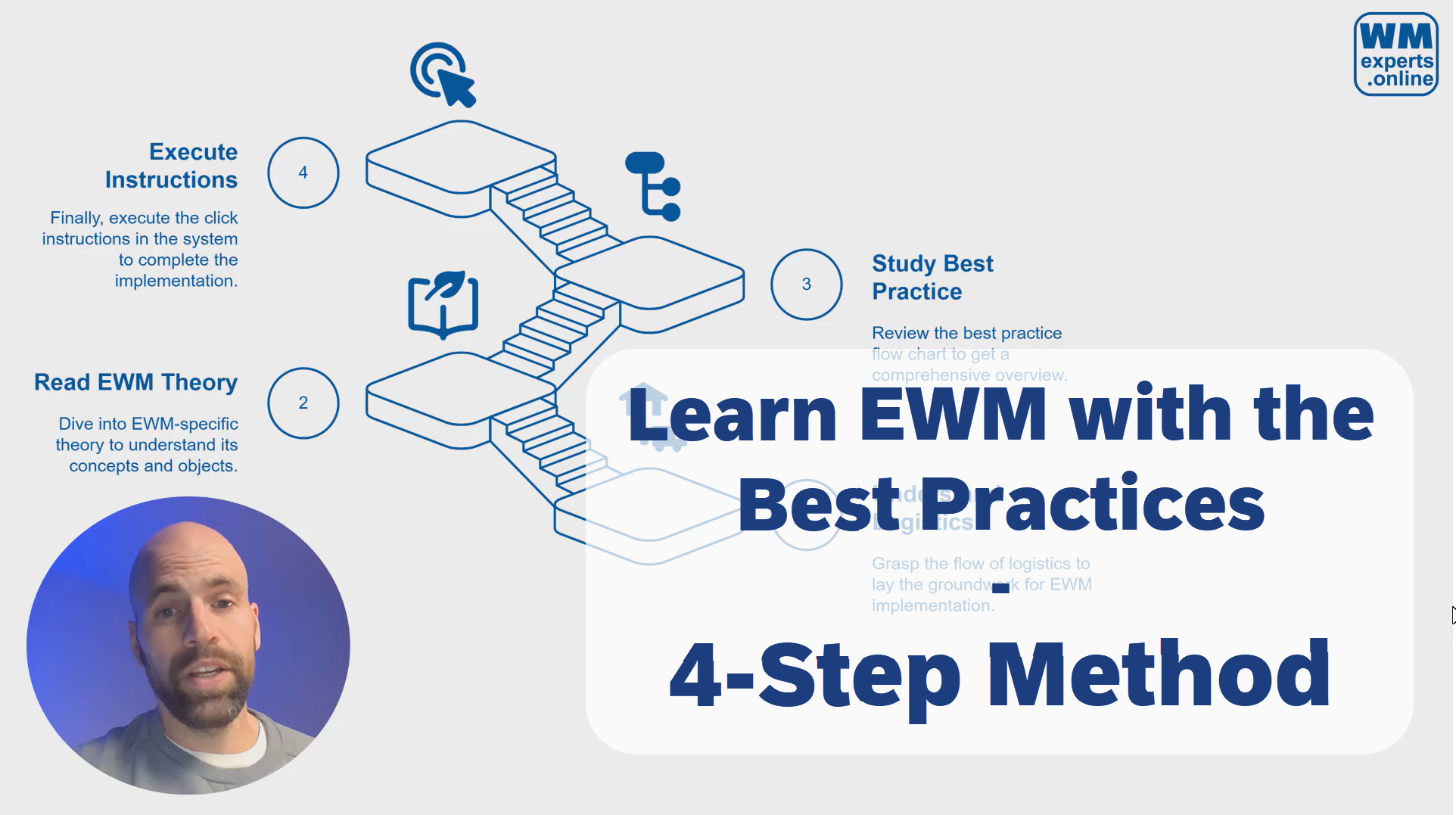
In this blog post I compressed the answers to the questions that I had about the SAP EWM Best-Practices during the last years.
In this blog post I compressed the answers to the questions that I had about the SAP EWM Best-Practices during the last years.
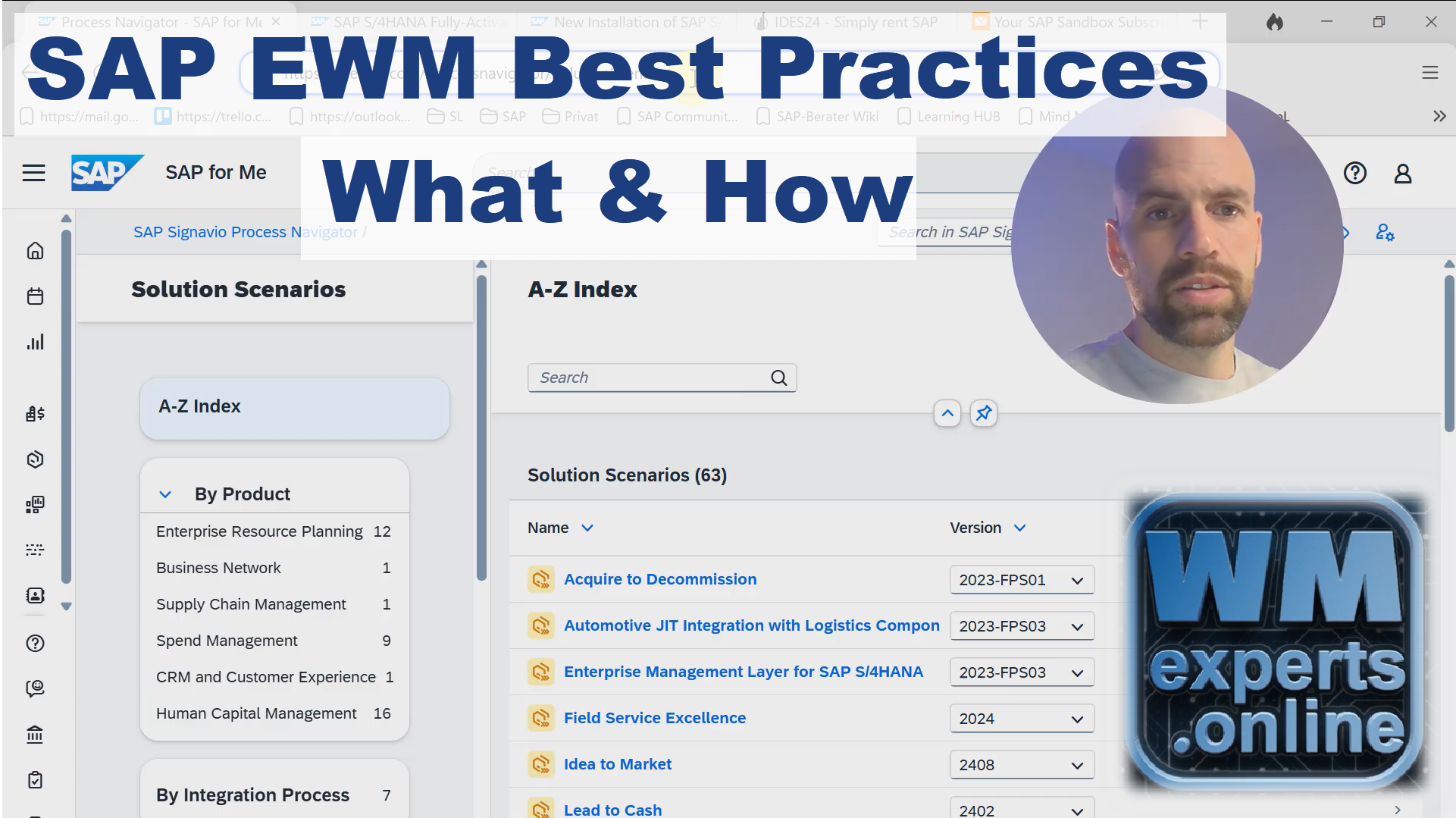
In this blog post I compressed the answers to the questions that I had about the SAP EWM Best-Practices during the last years.

The following quick tips are written for you in case you are a SAP-newcomer – no matter whether you want to become a consultant or a developer. They will help you with your first steps into the world of warehousing with SAP EWM.

The following quick tips are written for you in case you are a SAP-newcomer – no matter whether you want to become a consultant or a developer. They will help you with your first steps into the world of warehousing with SAP EWM.
By reading this blog post, you will learn everything you need to know about how EWM calculates the Latest Start Date for warehouse orders. Once again, I took a deep dive because I was not satisfied with the explanations I found in the SAP help texts. Here, I share the results of my analysis and, as usual, I promise to reveal some of EWM’s secrets. 🙂

By reading this blog post, you will learn everything you need to know about how EWM calculates the Latest Start Date for warehouse orders. Once again, I took a deep dive because I was not satisfied with the explanations I found in the SAP help texts. Here, I share the results of my analysis and, as usual, I promise to reveal some of EWM’s secrets. 🙂
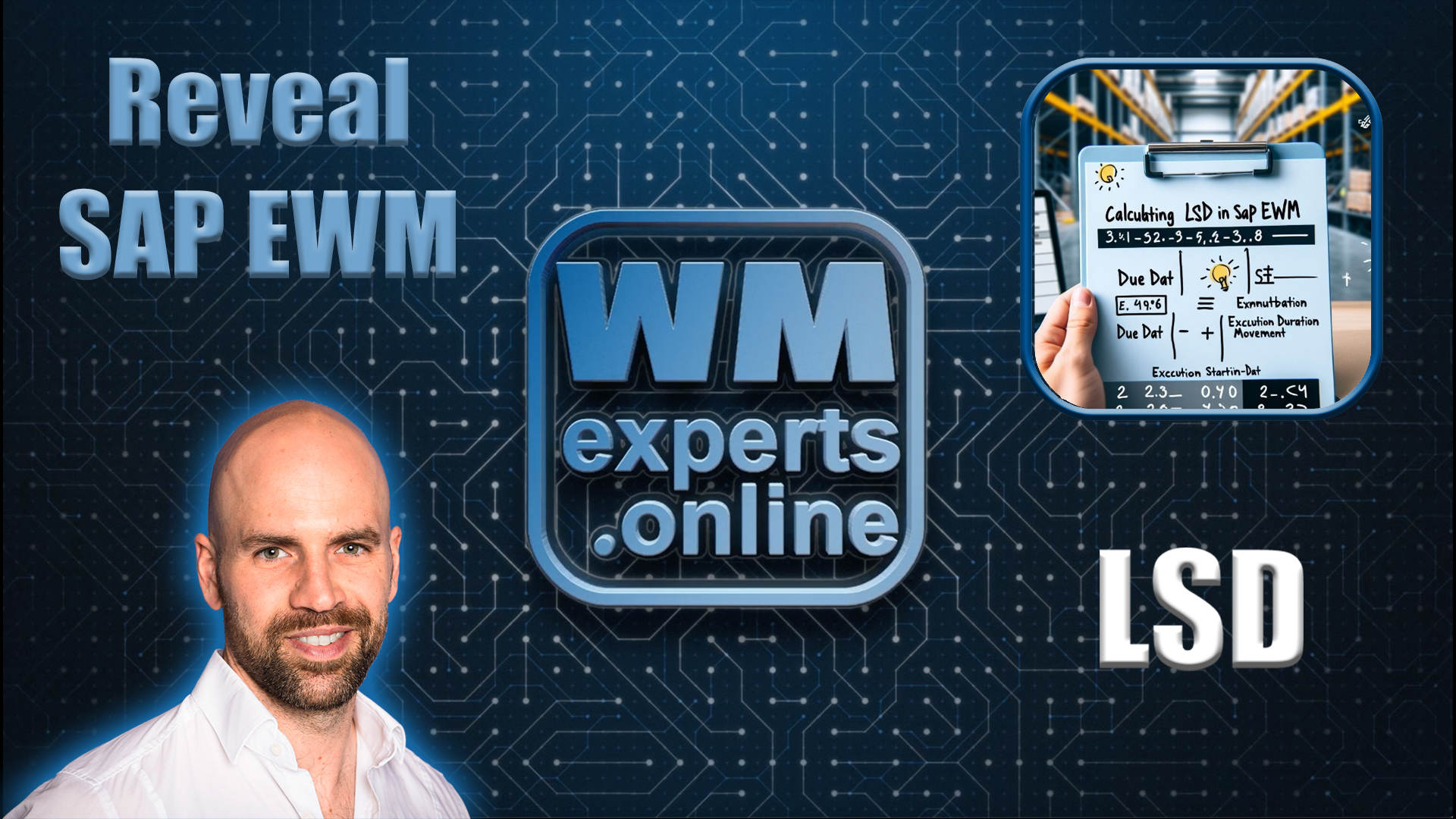
By reading this blog post, you will learn everything you need to know about how EWM calculates the Latest Start Date for warehouse orders. Once again, I took a deep dive because I was not satisfied with the explanations I found in the SAP help texts. Here, I share the results of my analysis and, as usual, I promise to reveal some of EWM’s secrets. 🙂
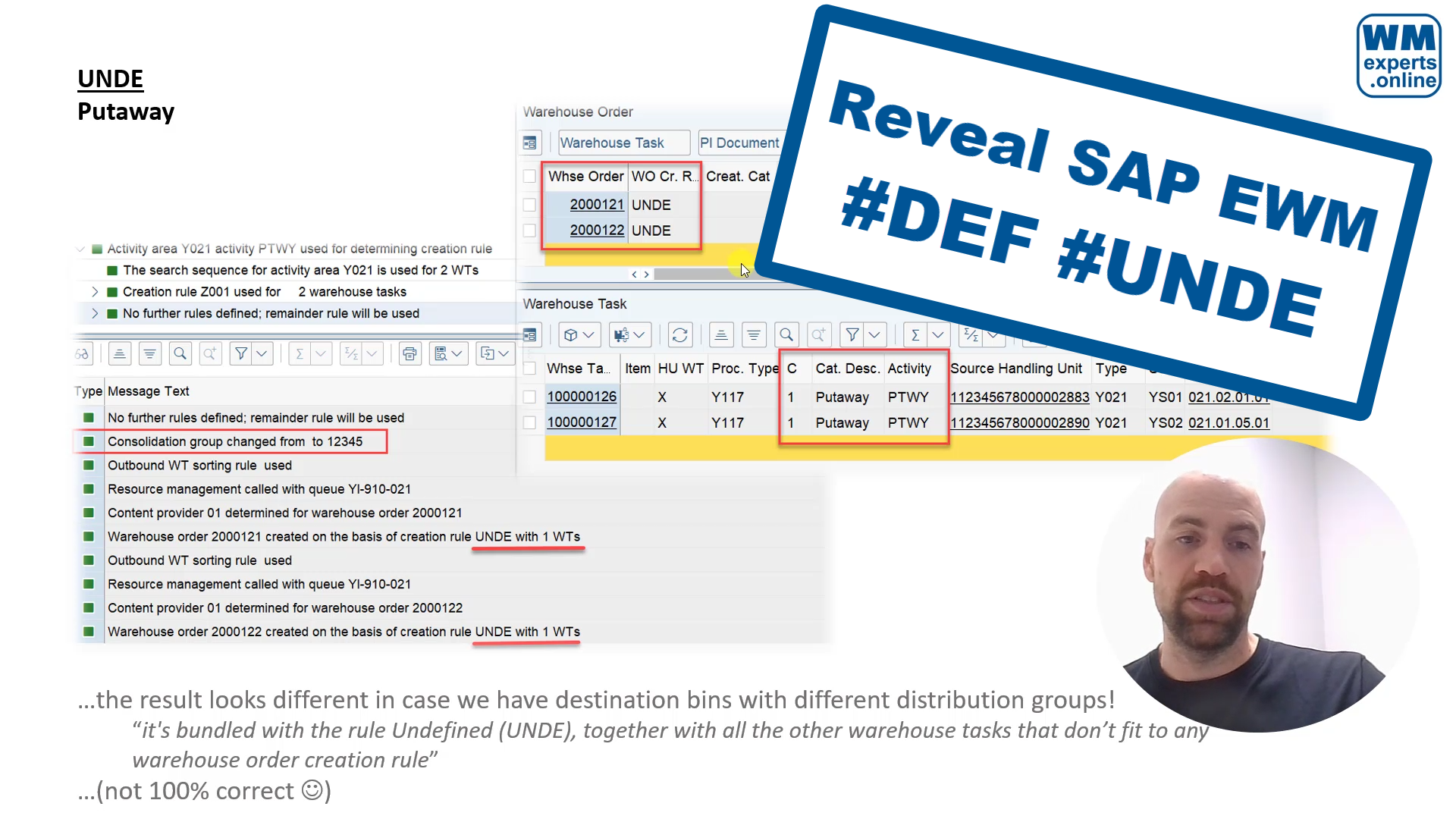
Who hasn’t faced this situation before? You create a warehouse order, and EWM tells you that it used the warehouse order creation rule ‘DEF’ (or ‘UNDE’). And you’re like, “What the hell!?”
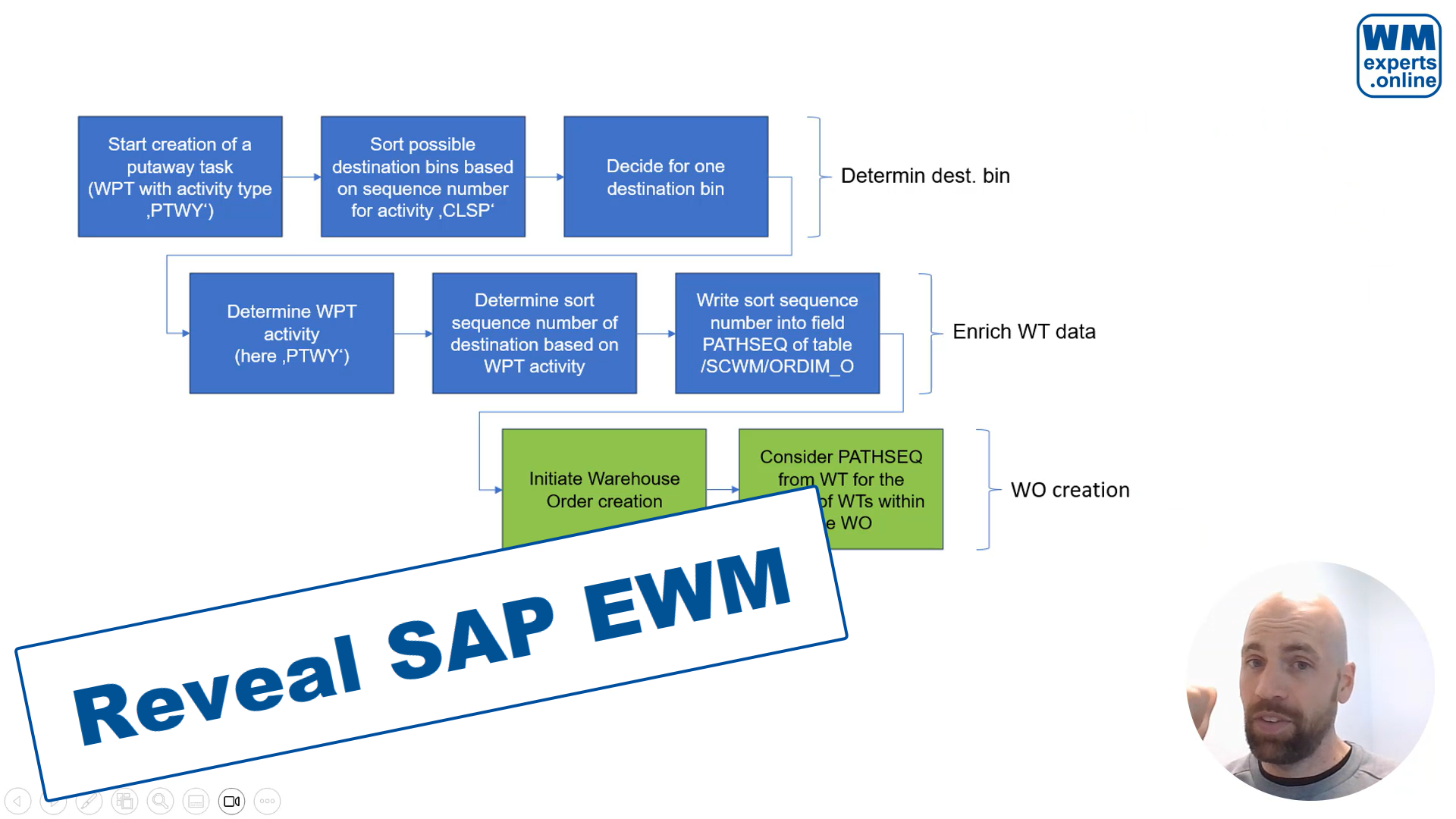
This blog is supposed to clear up one of the biggest misconceptions in the context of bin determination during putaway task creation in SAP EWM.
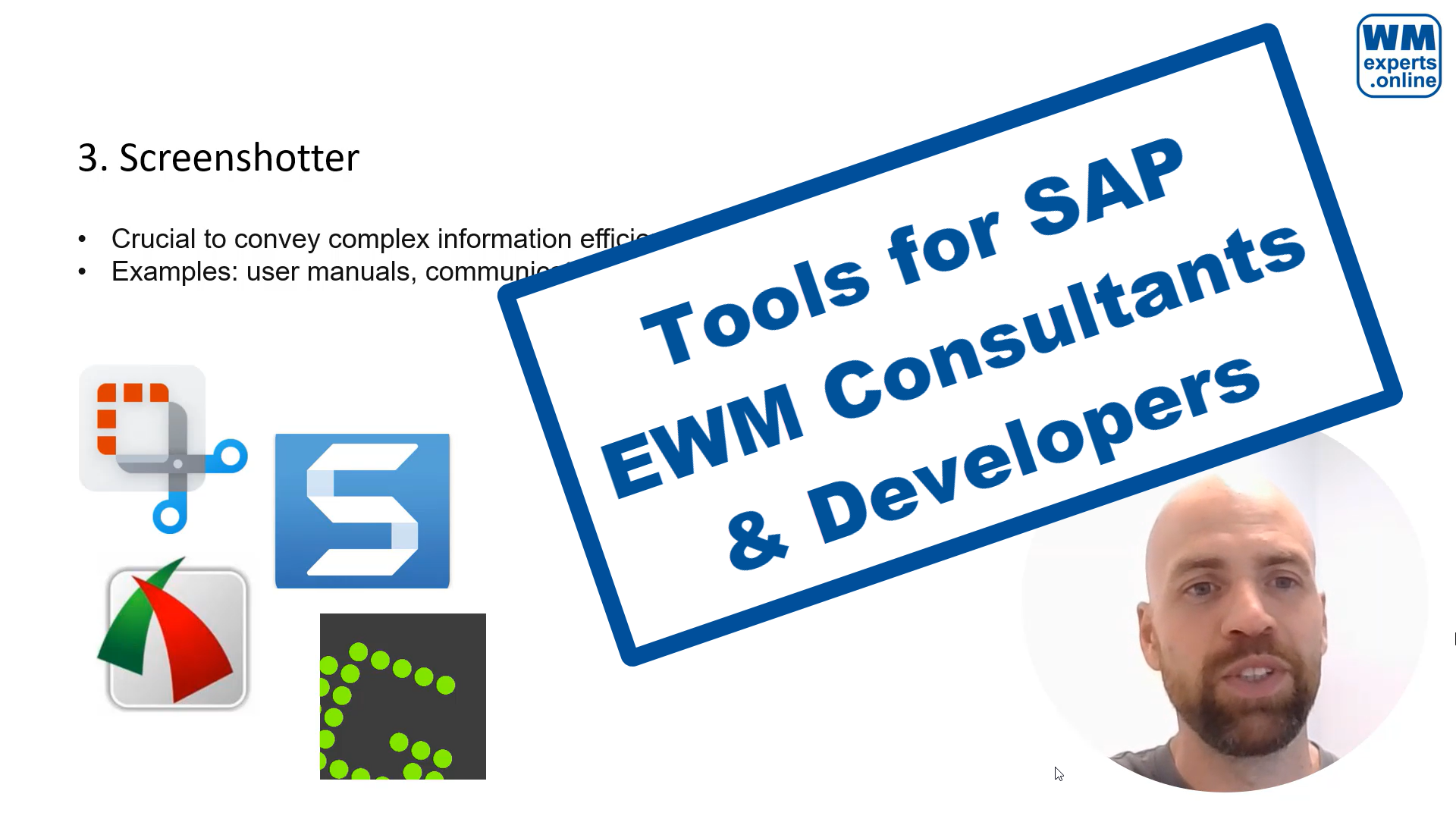
The following quick tips are written for you in case you are a SAP-newcomer – no matter whether you want to become a consultant or a developer. They will help you with your first steps into the world of warehousing with SAP EWM.
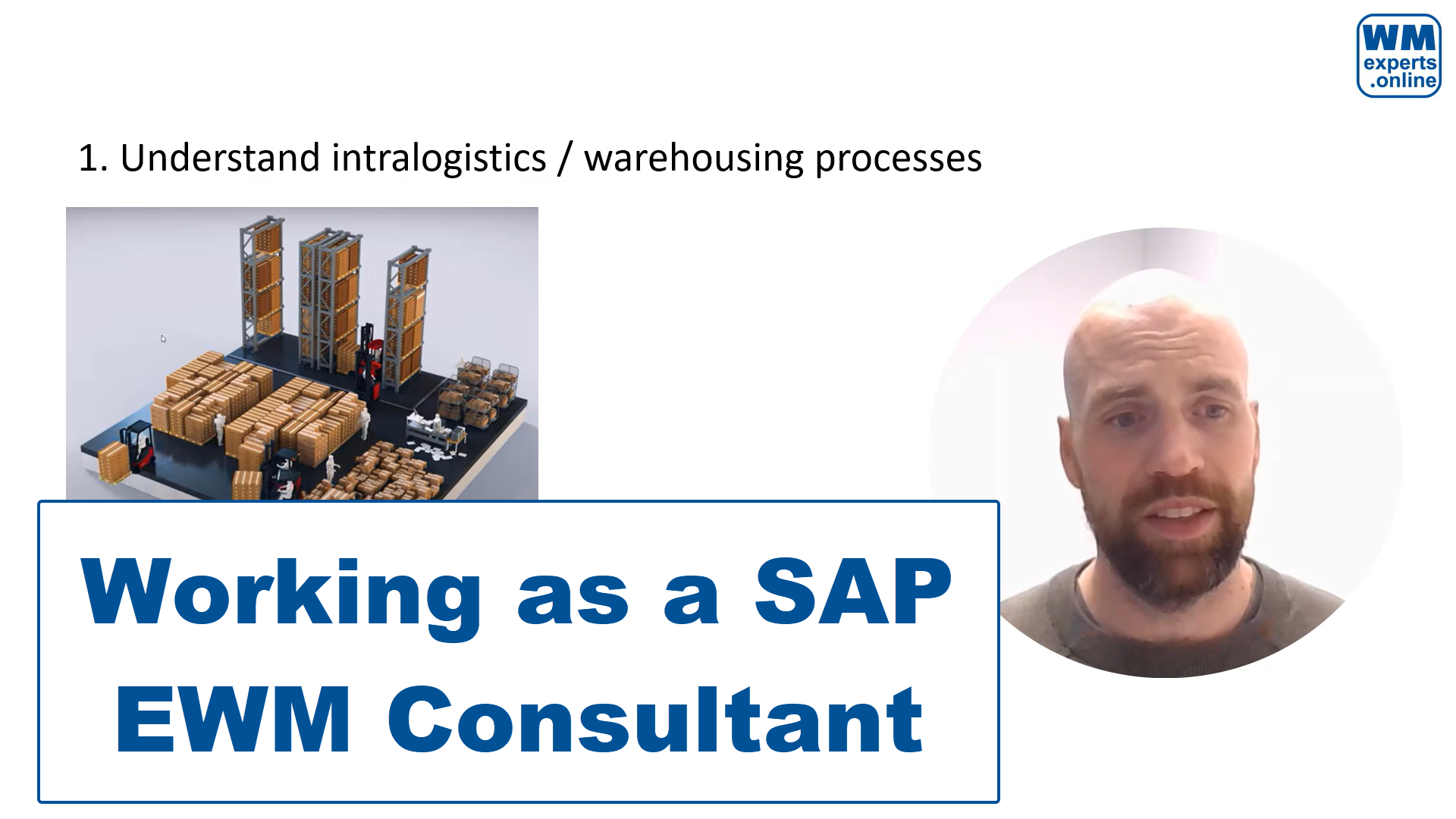
The following quick tips are written for you in case you are a SAP-newcomer – no matter whether you want to become a consultant or a developer. They will help you with your first steps into the world of warehousing with SAP EWM.
This blog focuses on the outbound loading process which is used for the last movement of a given handling unit, before it leaves the warehouse (physically & logically).
I will explain three different options provided by the standard in order to determine the destination of the EWM loading warehouse task. EWM always offers more than you expect so I assume that also in this context, there are some additional options that I am not aware of :-).
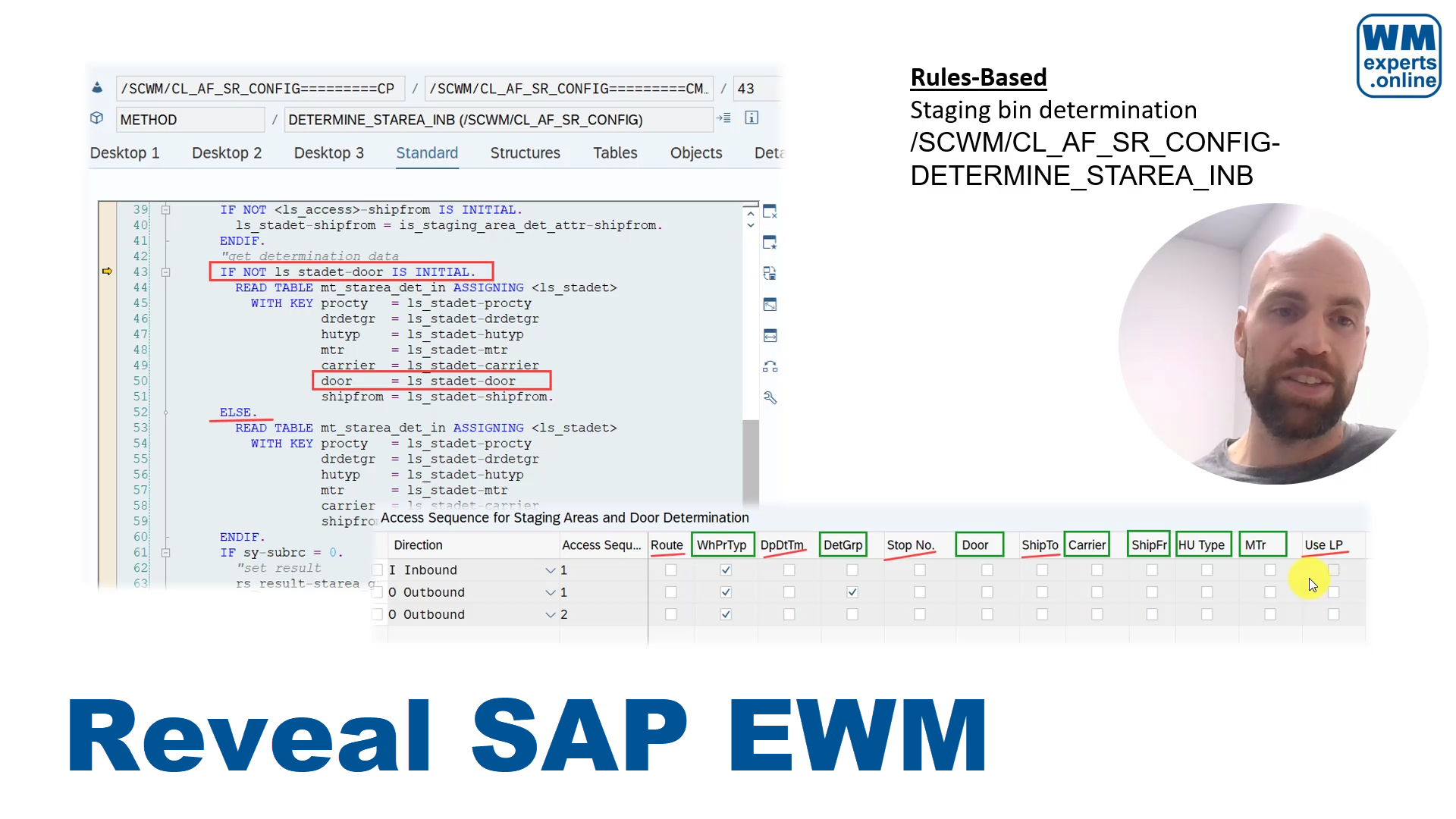
Reveal SAP EWM Inbound staging bin determination This blog reveals the logic for staging bin determination step as part of an inbound unloading storage process step. Having said that, it should be obvious that we are looking into inbound processes using the process-oriented storage control in order to model the physical flow & steps. In … Read more
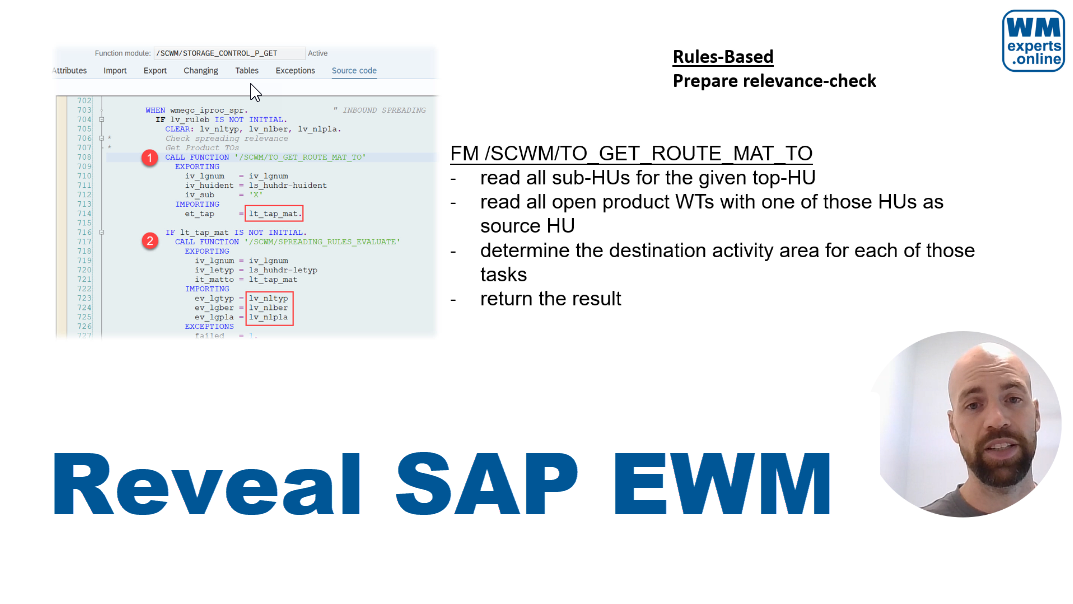
Reveal SAP EWM Work center determination for a deconsolidation process This blog reveals the logic for destination bin / work center determination in a deconsolidation step as part of an inbound storage process. Having said that, it should be obvious that we are looking into inbound processes using the process-oriented storage control in order to … Read more
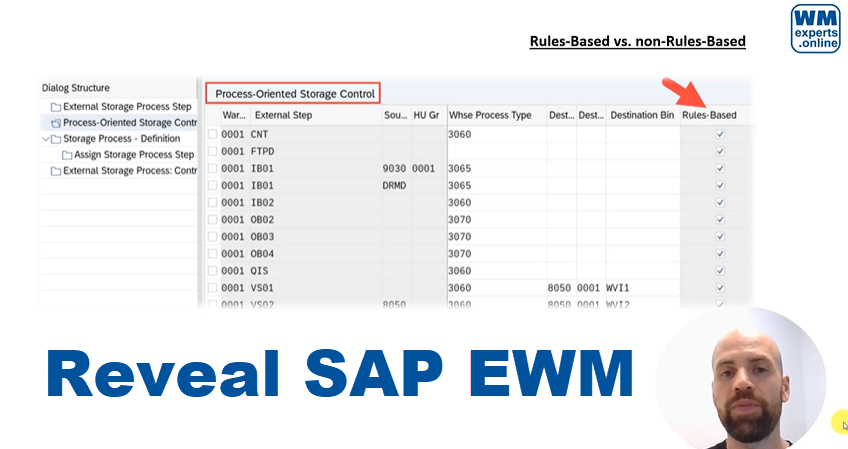
Reveal SAP EWM Work center determination for a packing process This blog reveals the logic for destination bin / work center determination for a packing step as part of an outbound storage process. You might want to think “Yeah – I know – there is this determination table which we can use here”. This is … Read more
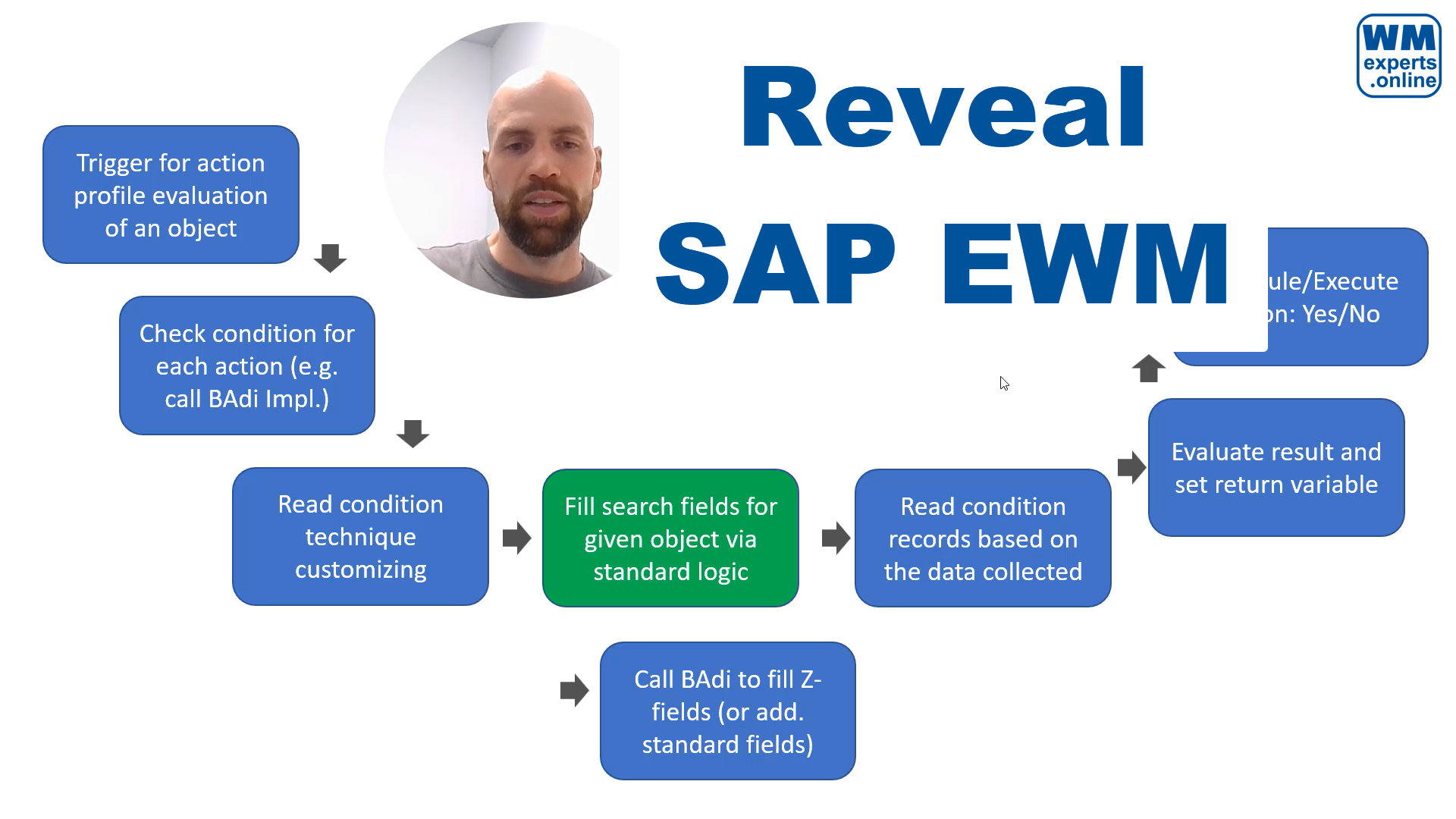
Within this blog post I take a look into the technical part of condition record determination for PPF action schedule and start conditions.
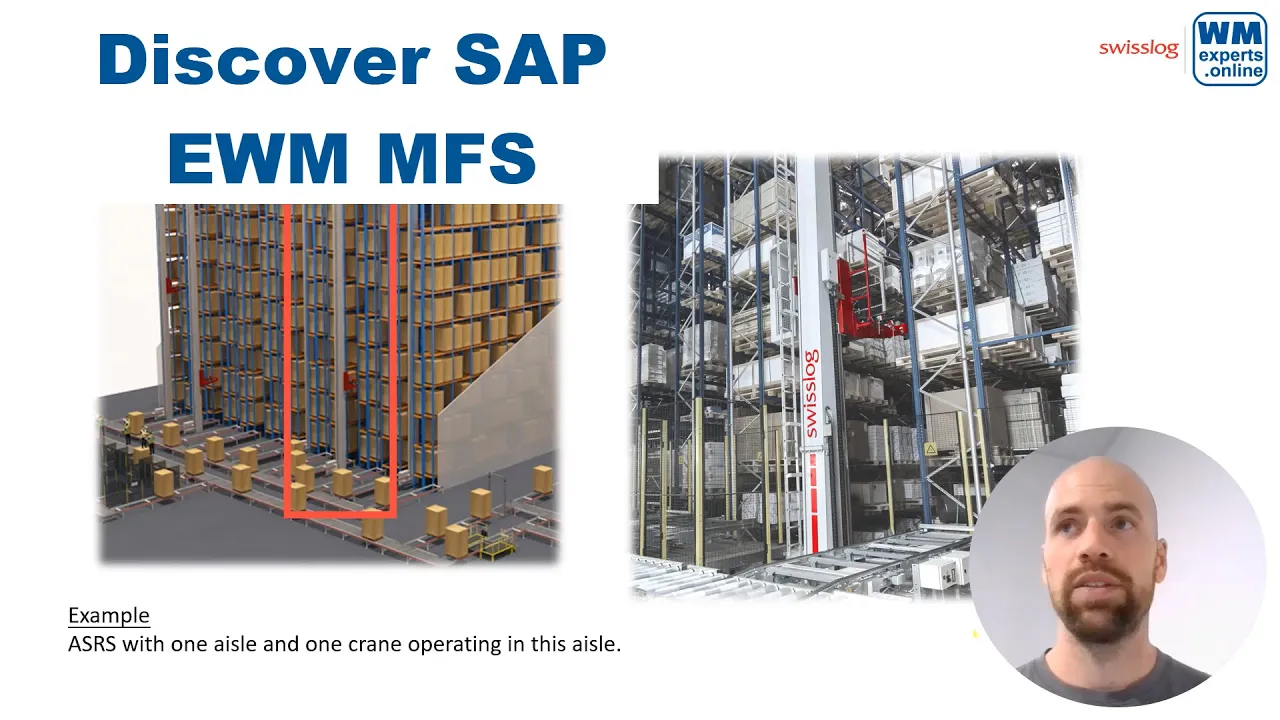
We will take a quick look at the approach taken in manually operated areas again, before we head over to the automated ones. As usual, I mixed technical details with practical examples in order to make it easier for you to digest the content.
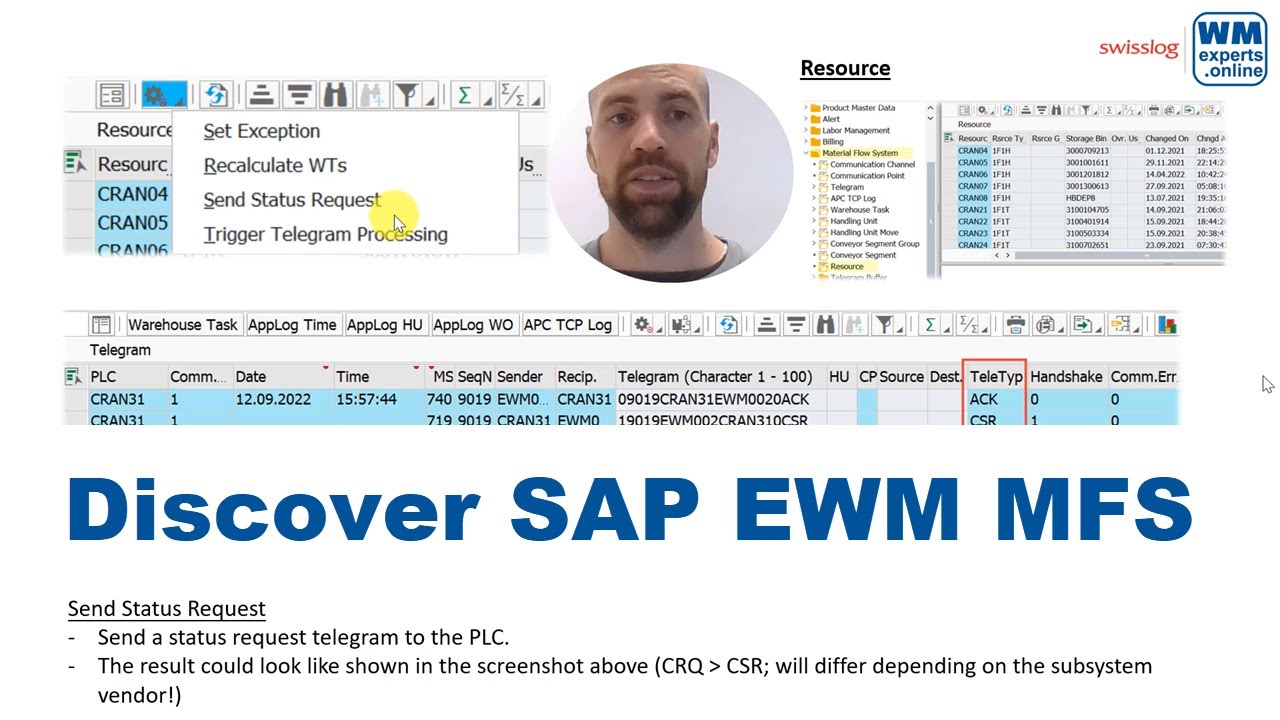
With this post I will unwrap the MFS warehouse monitor node for you and explain what kind of data you can access with each sub-node and what you can do with the methods given for each sub-node in EWM standard.
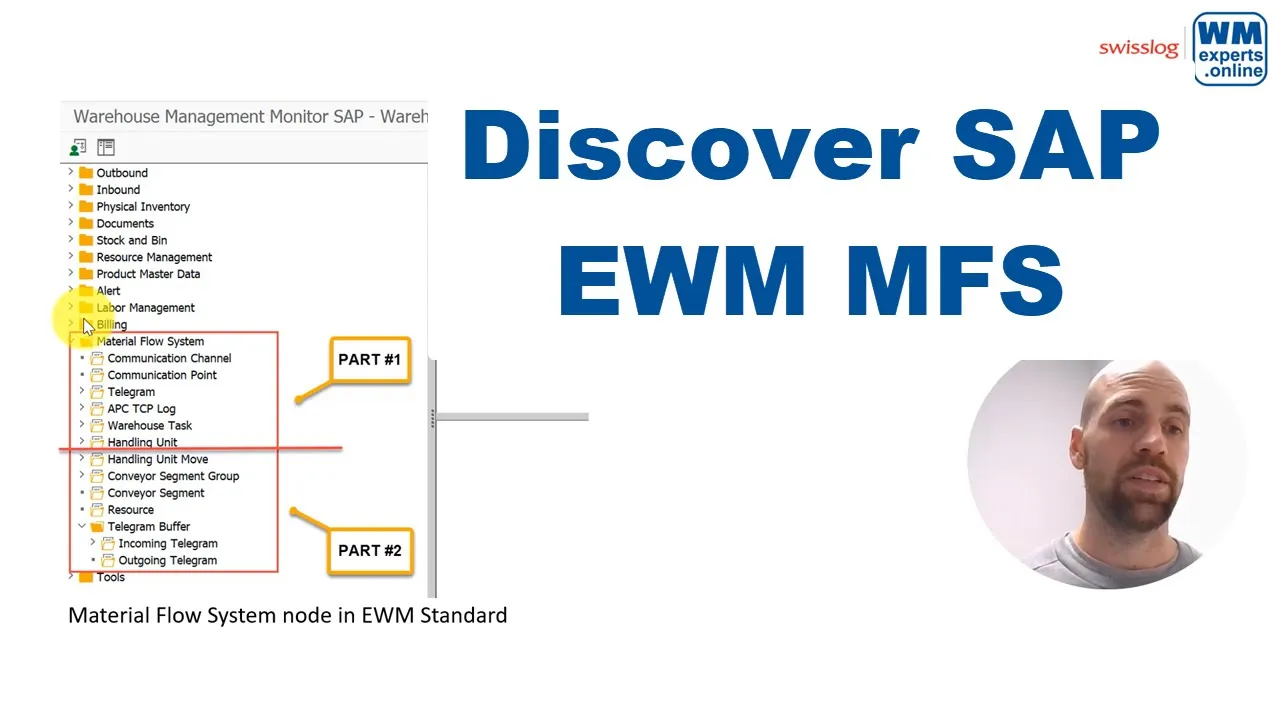
This blog is part of the series ‘SAP EWM meets Automation – Discover EWM MFS’. I will unwrap the MFS warehouse monitor node for you and explain what kind of data you can access with each sub-node and what you can do with the methods given for each sub-node in EWM standard.
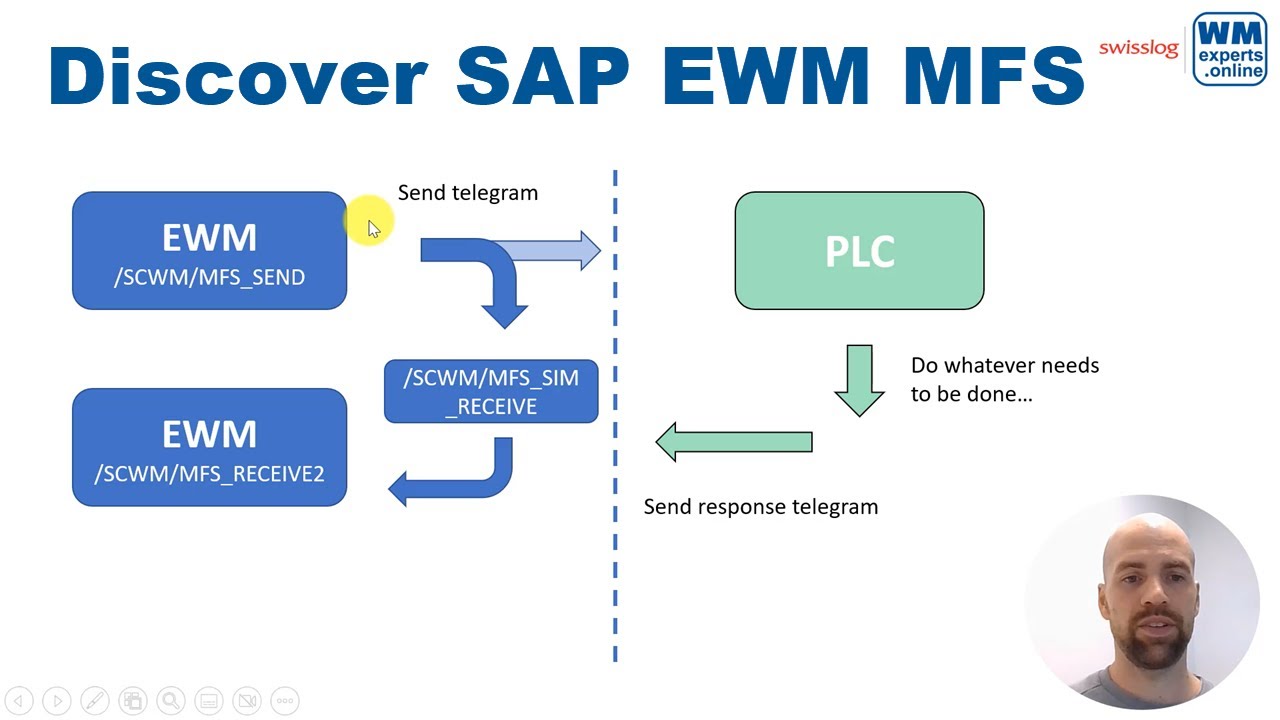
With this blog post I look into the EWM standard simulation/emulation which you can use within your MFS projects in case you do not have the possibility to test/work with the real hardware/subsystems (yet). Before starting with the details, I tackle the question “What is the difference between a simulation and an emulation and what do we have in standard EWM MFS?”
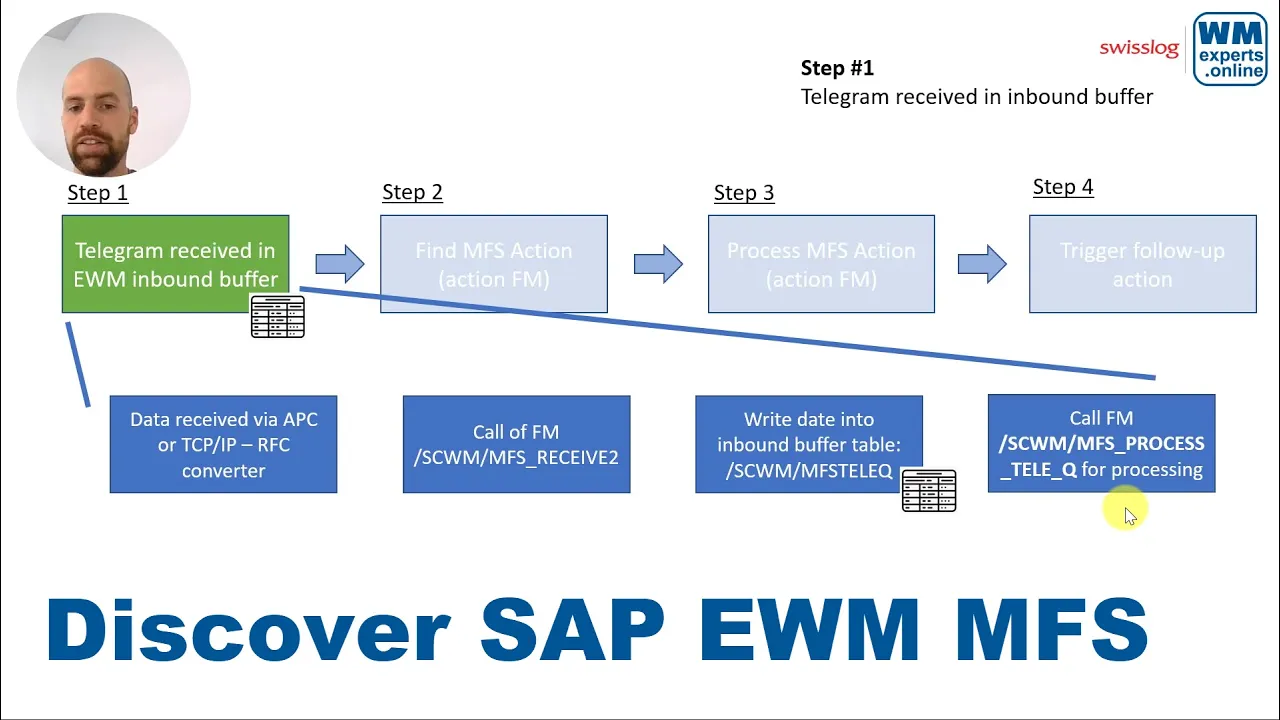
This blog post tackles the hardware but mainly the software side of this thing that we call ‘I-Point’ (Identification-Point) in the area of EWM MFS.
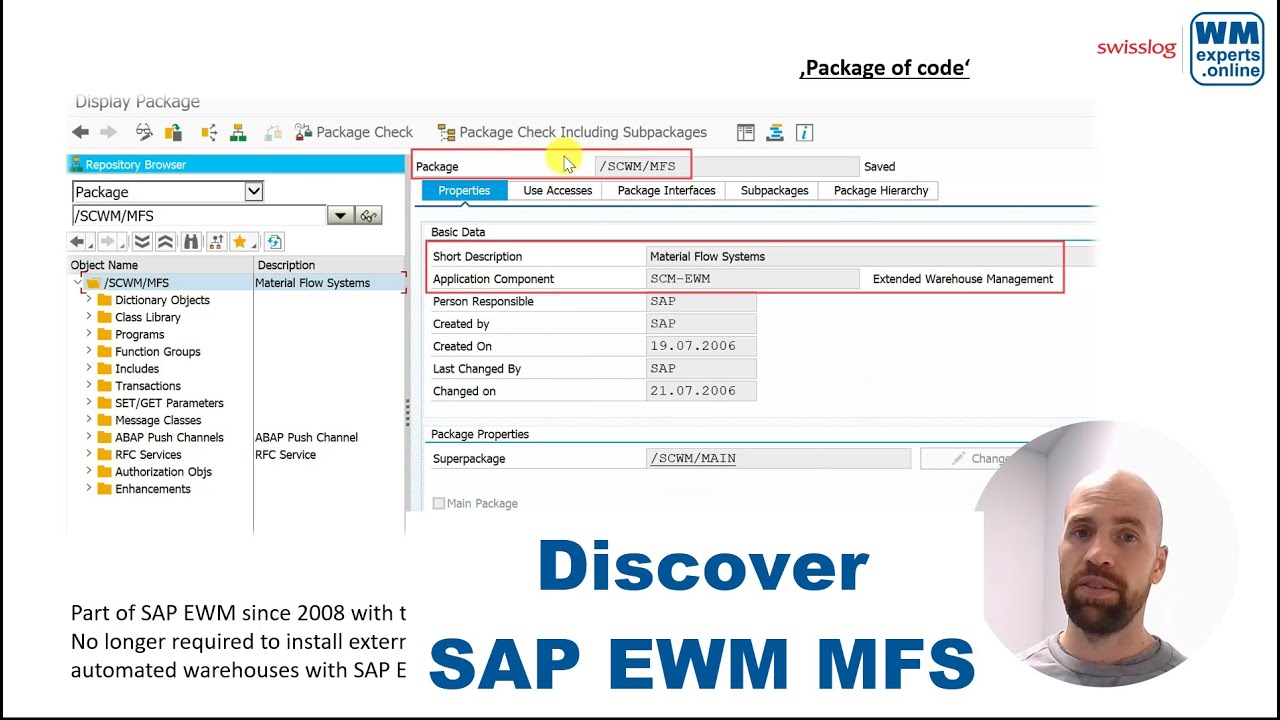
This blog post is intended for those of you who never implemented an automated warehouse with EWM MFS or even never used SAP EWM before. I wrote this article as I noticed that some of my subscribers/readers are actually part of this group.
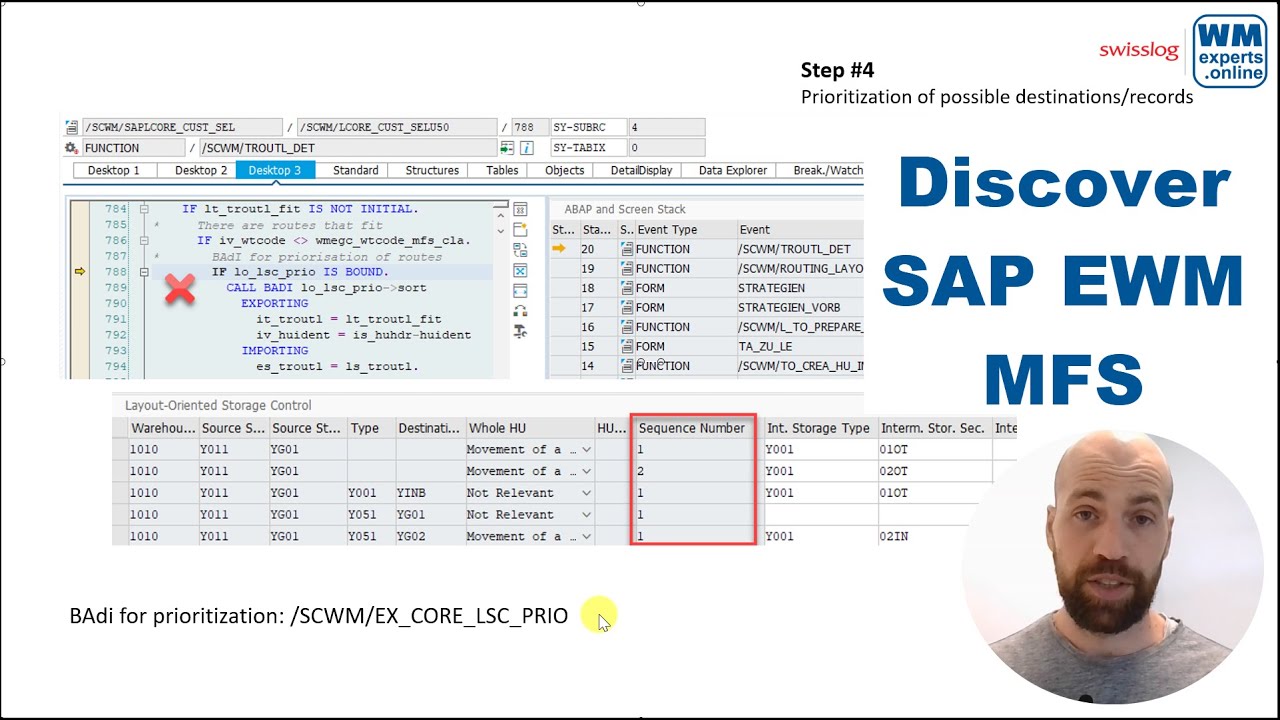
Discover SAP EWM MFS Deep-dive Layout-oriented Storage Control (LOSC) This blog is part of the series ‘SAP EWM meets Automation – Discover EWM MFS’ and ventures to deep-dive into the usage of the layout-oriented storage control (LOSC) in the context of MFS processes. We will assume that we are in a slow-moving MFS-environment, moving a … Read more
Discover SAP EWM MFS The communication from EWM to the PLC This blog is part of the series ‘SAP EWM meets Automation – Discover EWM MFS’ and describes the communication between EWM and the PLC. Specifically, the communication from EWM to the PLC. As a practical example I picked the creation and communication of a … Read more
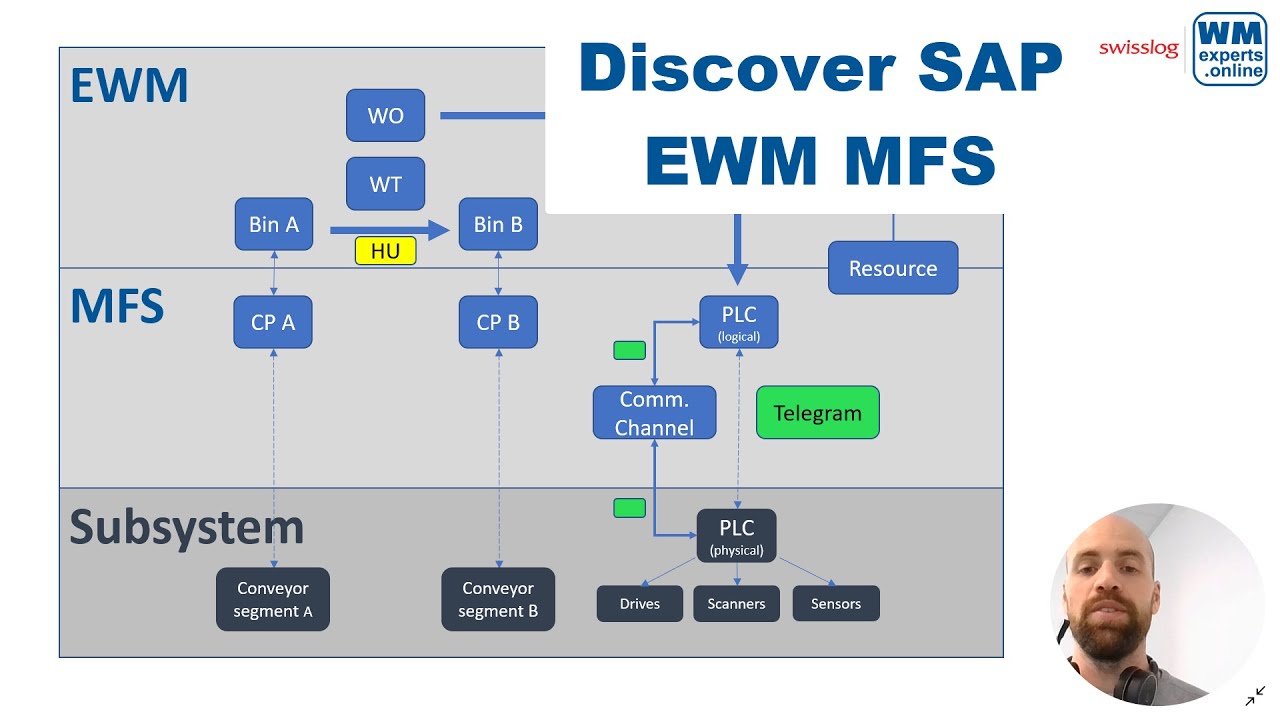
Discover SAP EWM MFS The EWM-PLC integration This blog is part of the series ‘SAP EWM meets Automation – Discover EWM MFS’ and gives you an introduction to the EWM PLC integration and the MFS component of EWM. In this context, we will look at the most important objects which are used to represent the … Read more
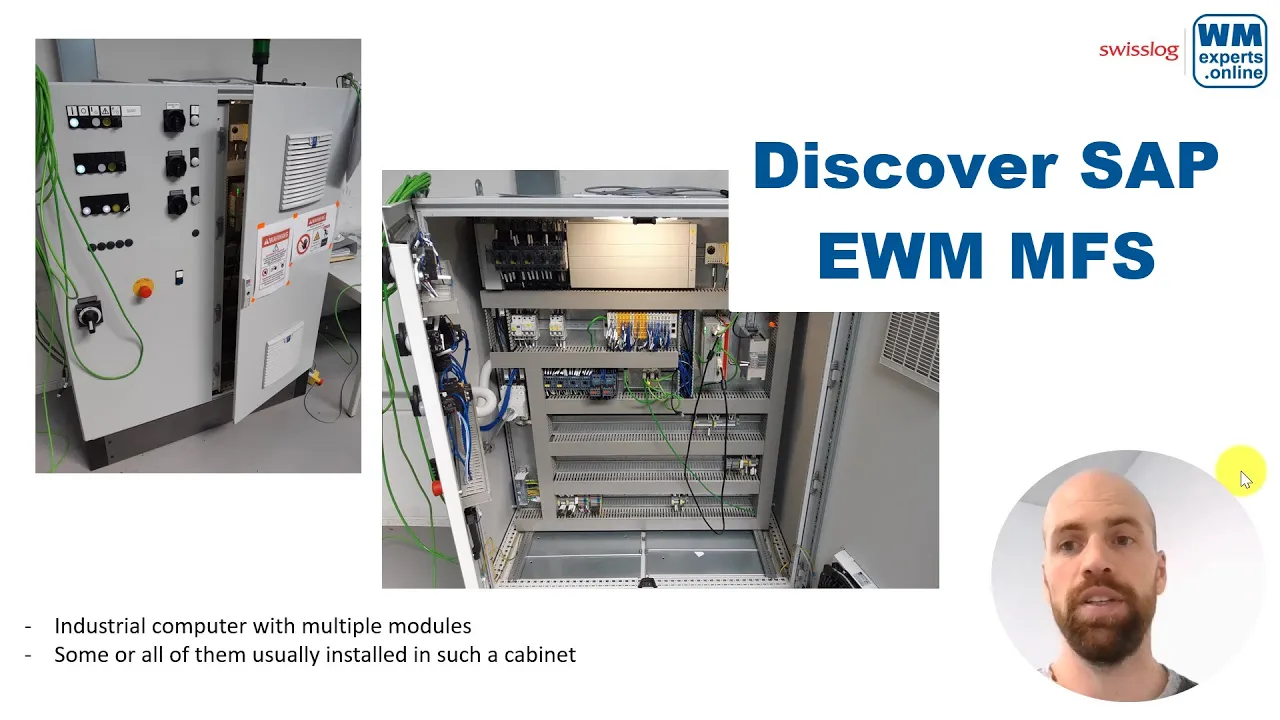
Discover SAP EWM MFS The role of the PLC This blog is part of the series ‘SAP EWM meets Automation – Discover EWM MFS’ and gives you an introduction about the role of Programmable Logic Controllers (PLCs) as part of EWM MFS projects. I do think that Consultants & Developers involved in projects where the … Read more
Discover SAP EWM MFS Rearrange HUs in multi-depth storage bins Note: This blog is part of the series ‘SAP EWM meets Automation’ and shows an EWM standard logic which is rarely mentioned in any of the EWM books and documentations but tackles a process which is essential in automated warehouses with SAP EWM MFS multi-depth … Read more
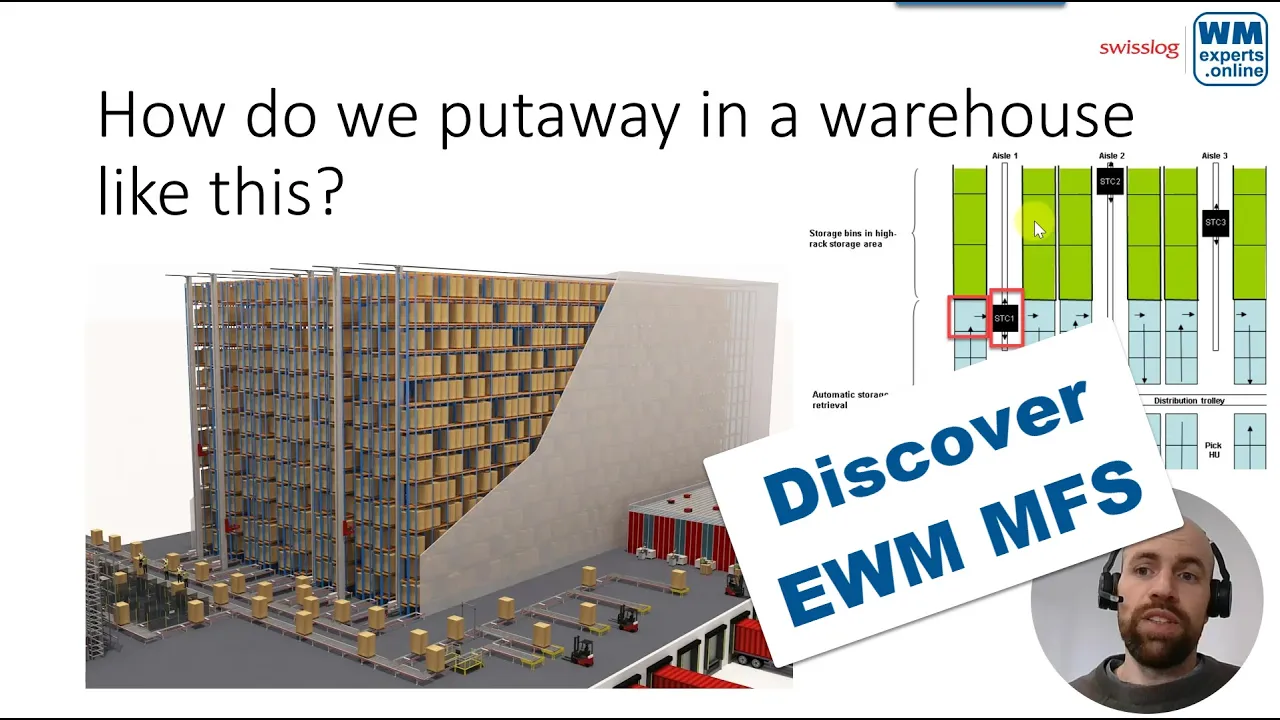
Discover SAP EWM MFS Putaway Strategy Note: This blog is part of the series ‘SAP EWM meets Automation’ and shows an EWM standard logic which is rarely mentioned in any of the EWM books and documentations but tackles a process which becomes more and more relevant in an environment of an increasing degree of automation … Read more
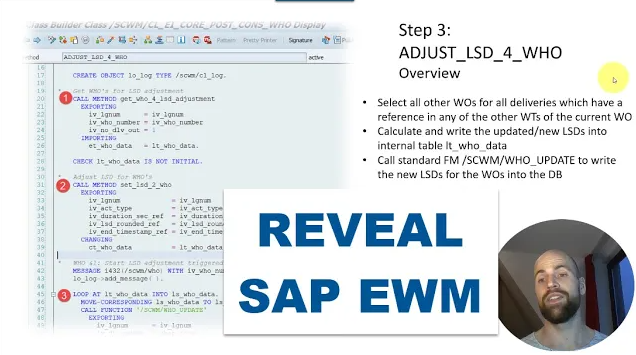
Reveal SAP EWM Synchronization of Warehouse Order completion Note: This blog shows an EWM standard logic which is rarely mentioned in any of the EWM books and documentations but tackles a process / scenario which is relevant for almost every SAP EWM warehouse / operation that I’ve seen. Let’s jump into the technicals! Description of … Read more
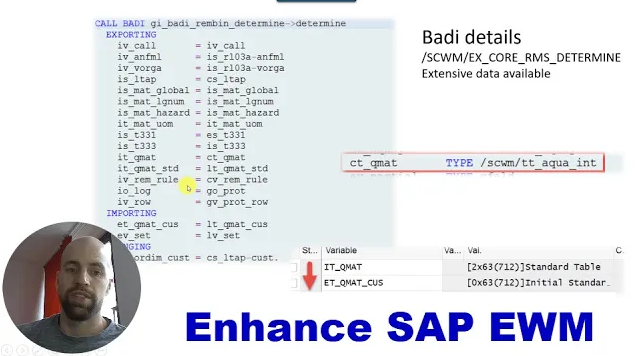
Enhance SAP EWM Quant determination for stock removal strategy The purpose of this series of blogs/videos is to give an overview about how to enhance specific functional areas of SAP EWM quant determination. This series is useful for developers jumping (or being pushed ) from other modules into EWM or for more experienced consultants in … Read more